Prime Rib Roast. Boy, every time I hear those words I start thinking about all the dinners I’ve had where the main dish came out… let’s just say, not how I planned. Too dry. Too chewy. Slightly disappointing, almost like when you expect a jackpot and just get spare change. Seriously, if you’ve ever tried to make this at home and worried about impressing family (or picky in-laws), I totally get you. Now, if a crowd-pleasing dinner like red wine beef chuck roast is more your speed, I get it – but trust me, prime rib roast is way easier (and juicier) than you’d think. You can even check out garlic herb roasted chicken with vegetables for an alternative, but I swear, once you get the hang of this one, you’ll be the “go-to” for roasts in your friend group.
Choosing Bone-in or Boneless Prime Rib
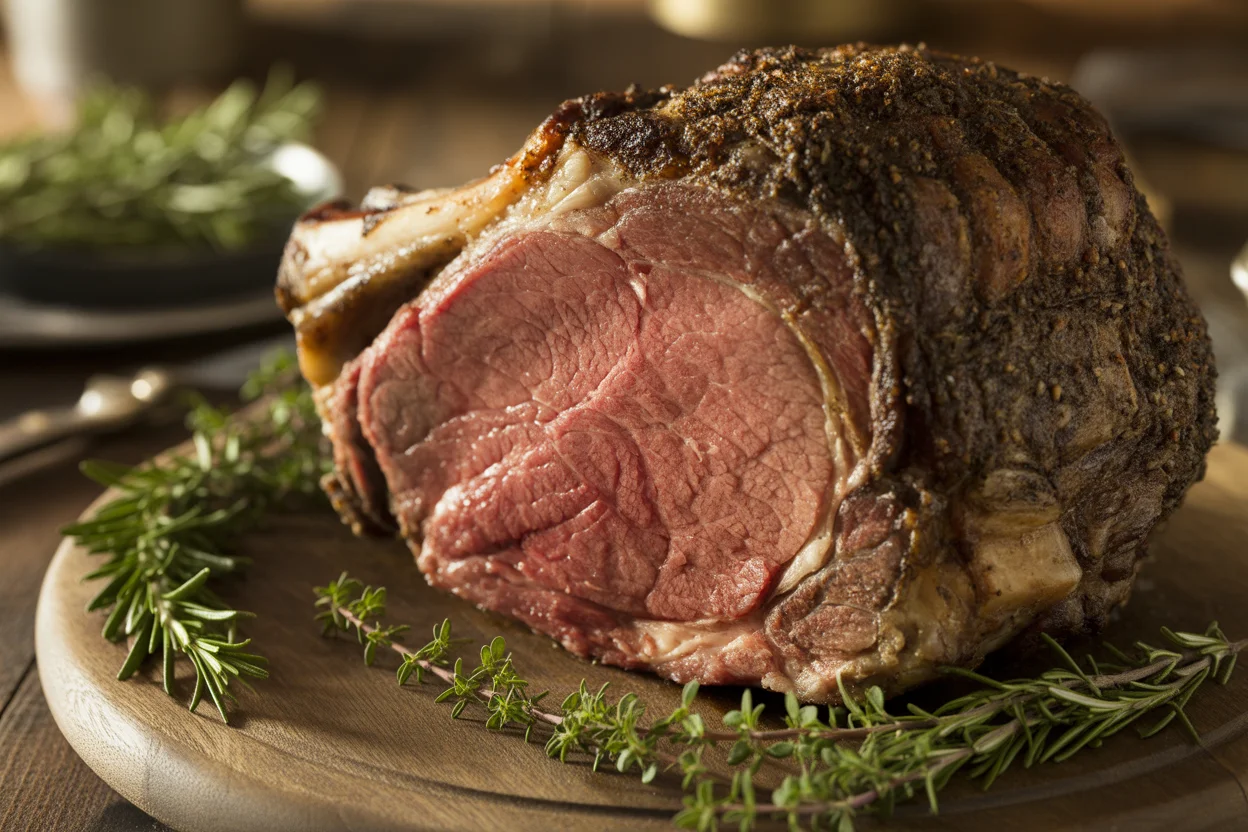
Okay, first things first. You gotta pick your prime rib roast. I used to agonize over this so much it was embarrassing. So, bone-in or boneless? Here’s the scoop: Bone-in prime rib roast is kind of the gold star. It cooks juicier, with more flavor going straight into the meat. Plus, the bones just look fancier on the table. But, slicing can be a tiny bit more awkward (I’d sometimes feel like I was wrestling an octopus in front of guests).
Boneless is much easier to carve. It cooks a touch faster too, which is handy if you’re chronically running late (me, honestly). You don’t lose as much as people say flavor-wise. But, you might give up a bit of the “wow” effect. Whichever you choose, go for good marbling in the meat. If it’s got pretty white flecks in the red, it’s gonna be good. My butcher once told me, “Marbling is like nature’s butter.” He’s not wrong. Just pick what fits your comfort level.
“I tried my first bone-in prime rib roast after reading this, and let me tell you, it was hands-down better than anything I’ve ever tasted, and even my skeptical uncle had seconds!” – Tara, actual dinner party survivor
How Much Prime Rib to Prepare Per Person
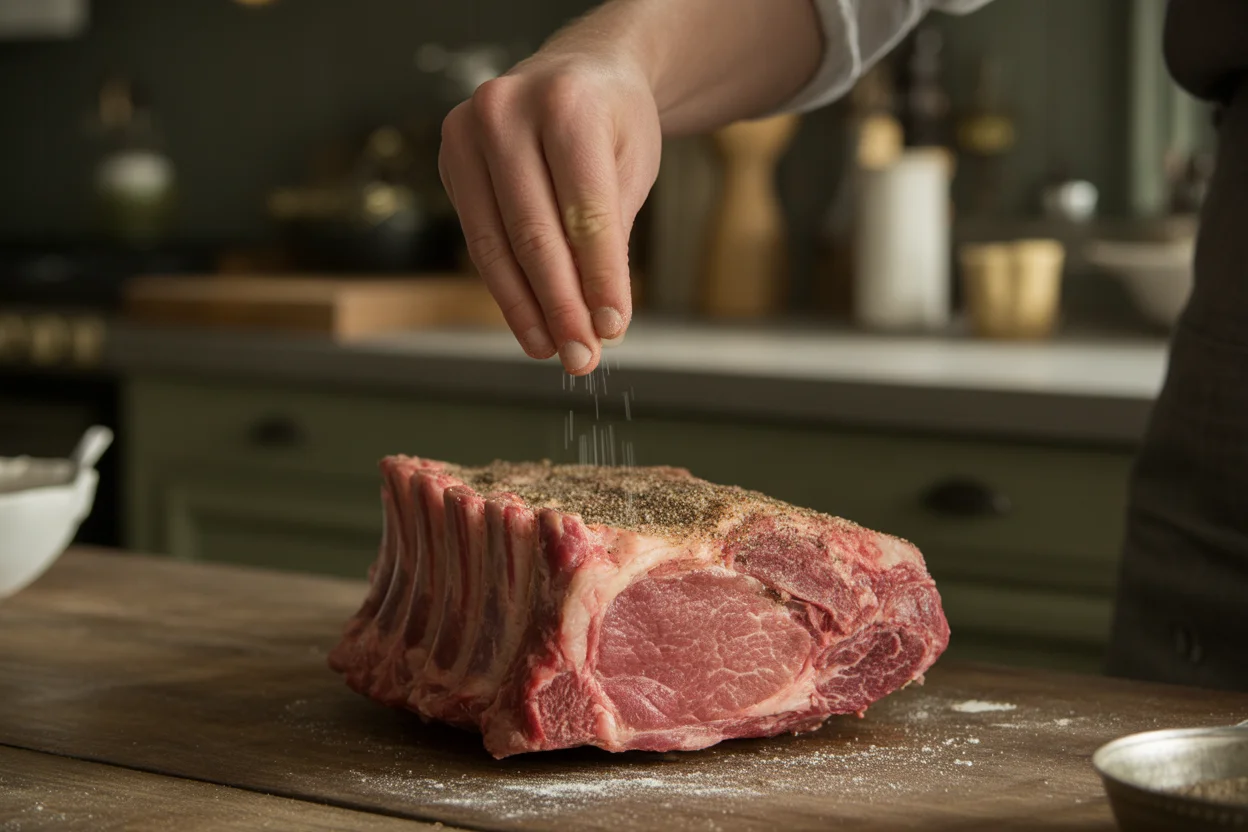
Whew, okay, the math part. I overthink this every single holiday. Here’s my friendly advice: if you’re doing a bone-in prime rib roast, plan for about one pound per person. Seems like a lot, but the bones take up space, and you want leftovers for those epic sandwiches (trust me). With boneless, three-quarters of a pound per person usually does the trick.
I once tried to save a buck and buy less. Bad move. Hungry faces all around, and basically no leftovers. Not my best hosting moment. So always go a bit heavier if unsure. Grocery stores have rollercoaster prices, but you can always freeze extra slices if lightning strikes and you’re not feeling leftovers.
And – total lifesaver – ask your butcher to trim and tie the roast for you. Most will happily do it (saves so much stress on your end). There’s no shame in asking for help!
How to Cook Prime Rib: Techniques and Tips
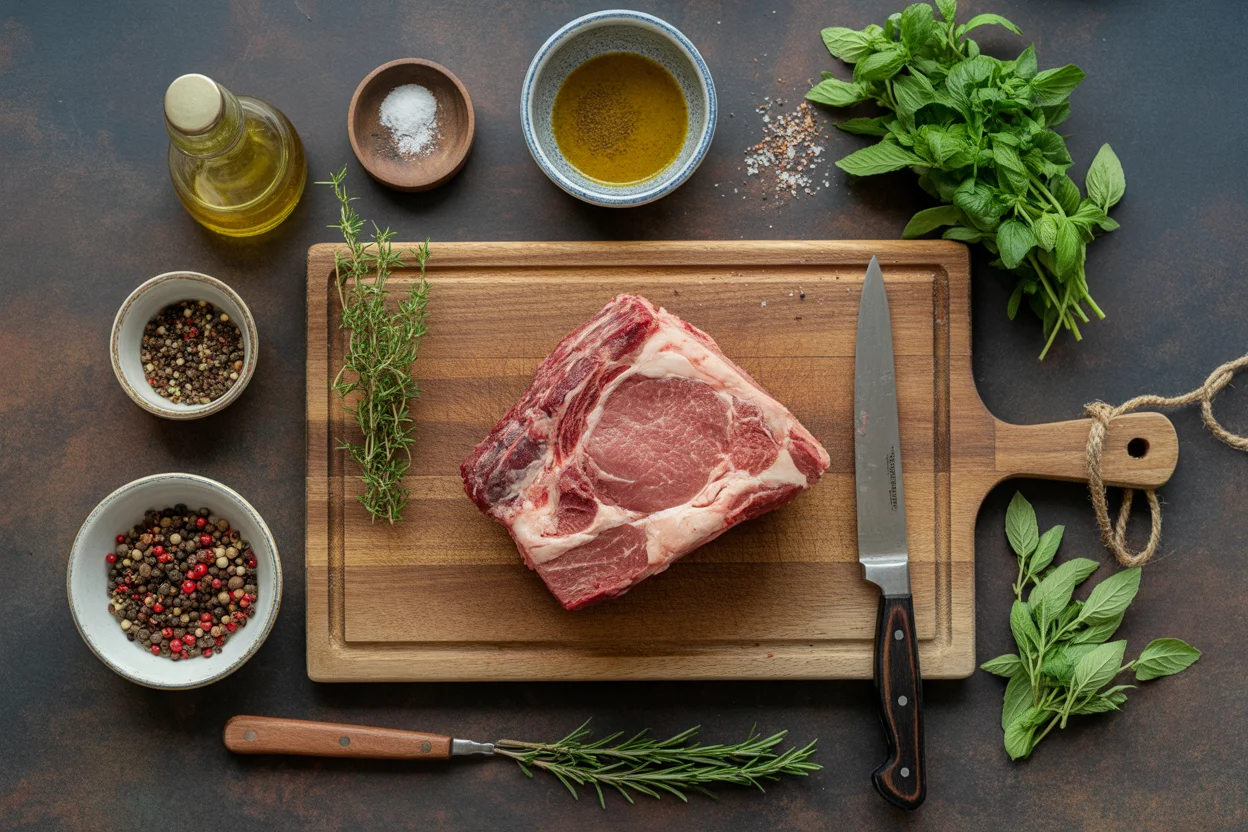
Let’s be real, cooking a prime rib roast freaks people out. It’s got a reputation for being tricky, but with the right tricks, it’s not a five-star-restaurant nightmare at all. Start by letting your prime rib roast rest at room temperature for at least an hour (I’ve tried shortcuts, didn’t help). You want an even cook, not uneven hot-and-cold zones.
Pat the roast dry, then salt it heavily. Seriously, don’t be shy. Salt is your friend now. Rub with pepper, garlic, or herbs. Here’s where I get passionate: Use a meat thermometer, not guesswork. My first roast, I tried poking and pressing like an old-school cook… and ended up chewing gum. Don’t. Stick in the thermometer.
Roast at high heat (I do 450°F) for 20 minutes so you get that gold crust. Then drop to 325°F for the rest, slow and steady. No opening the oven every ten minutes, no matter how tempting. If you want some easy, tasty inspiration for sides, my favorite is the roasted garlic parmesan zucchini squash and tomatoes.
So, recap: Rest. Dry. Salt and season. High heat, then slow roast. Use the thermometer without mercy. Trust me, that’s it for a juicy, tender prime rib roast that makes you feel like a champion.
Prime Rib Cooking Time and Temperature
Timings are where folks panic (and honestly so did I at first). Here’s what you need to know about cooking a prime rib roast: If you want medium rare (that’s the classic, pink middle), aim for 120-125°F in the thickest part. That’s BEFORE resting, since it keeps warming up after you yank it from the oven.
Rule of thumb? Plan for about 15-18 minutes per pound at 325°F after your initial high heat blast. Shorter time for smaller roasts, maybe a pinch more for the big boys. A three-bone roast (around six pounds) is typically just shy of two hours, but don’t trust timing alone! The thermometer is your sidekick.
Pull it from the oven a little early, tent with foil, and let it chill out for 20-30 minutes. All those lovely juices soak back in (if you cut it too soon, they run right out and you’ll cry). You can even go “reverse sear” style if you like – low and slow first, then a crazy-hot finish.
Perfect Sides for Prime Rib
So, you’ve got this glorious prime rib roast. What do you serve with it? Don’t overthink. Simple sides work best. Here’s my go-to lineup when I’m cooking for a crowd:
- Roasted potatoes or crispy smashed potatoes make everyone happy and soak up the beefy juices.
- Grilled chicken with roasted vegetables potatoes can be a clever lighter side for anyone who sidesteps red meat.
- Garlic herb roasted chicken with vegetables is a nice touch for a mixed table.
- A big green salad or roasted vegetables gives a bit of balance and some color.
Honestly, the first time I did this, I worried about going overboard on sides. But my brother reminded me, “No one ever remembers veggies, just the roast!” Still, don’t skip the roasted garlic parmesan zucchini squash and tomatoes for real flavor.
Common Questions
Is it true the meat keeps cooking after it comes out of the oven? Yes! That’s why you pull your prime rib roast out early. The temp will rise about 5 degrees while it rests.
Do I need to marinate my prime rib roast? Not really. Salt, pepper, and maybe garlic or herbs is all you need. The meat flavor is the star.
What do I do if my prime rib roast is too rare? Slice what you need, then pop slices in a hot oven or pan for a minute. Tastes just right for those who want more done.
Can I freeze leftover slices? Totally. Wrap them up and freeze. They heat up fast, and leftover sandwiches are honestly the best part.
How can I get a crust like in restaurants? Start hot, finish slow. That first 20 minutes at 450°F gives the gorgeous bark.
You’ve Got This: Bring on the Prime Rib Celebration!
Making a prime rib roast might seem intimidating, but after a try or two, you’ll be looking for reasons to show off. Trust the thermometer, go heavy on salt, and always let it rest. Want more tips? Head over to Prime Rib Roast – The Woks of Life for a deep dive, get wowed by Melt-in-Your-Mouth Garlic Herb Prime Rib Recipe, or try the legendary method at Roasted and Reverse Seared Prime Rib Recipe. Seriously, you’ve got all the savory secrets now… so get cooking and let us know how it turns out! 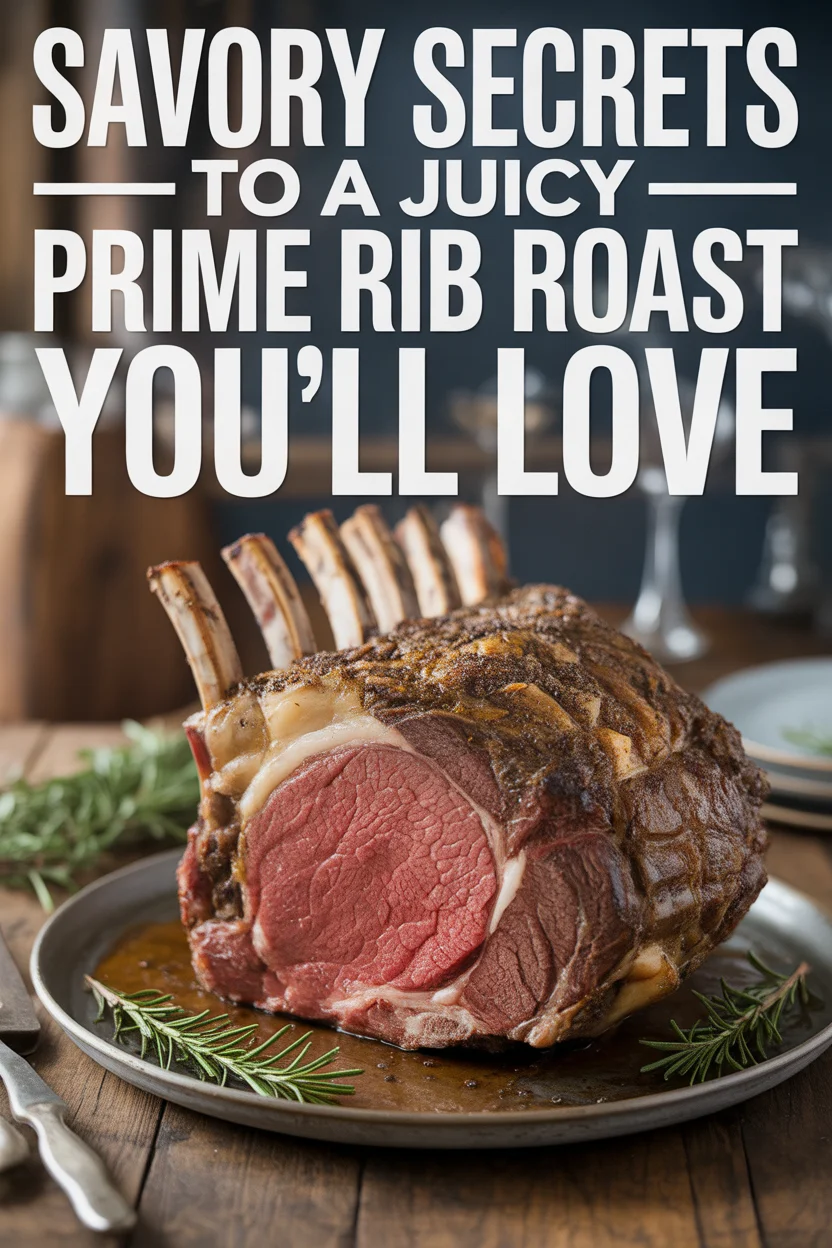

Juicy and Flavorful Prime Rib Roast
Description
Experience the perfect prime rib roast, cooked to juicy perfection, with a golden crust and rich flavors that will impress any guest.
Ingredients
Instructions
- Let the prime rib roast rest at room temperature for at least an hour to ensure even cooking.
- Pat the roast dry and salt it heavily. Rub with pepper, minced garlic, and herbs.
- Roast at 450°F for 20 minutes, then lower the temperature to 325°F for 15-18 minutes per pound until reaching 120-125°F for medium-rare.
- Remove the roast from the oven and cover with foil. Let it rest for 20-30 minutes before slicing.