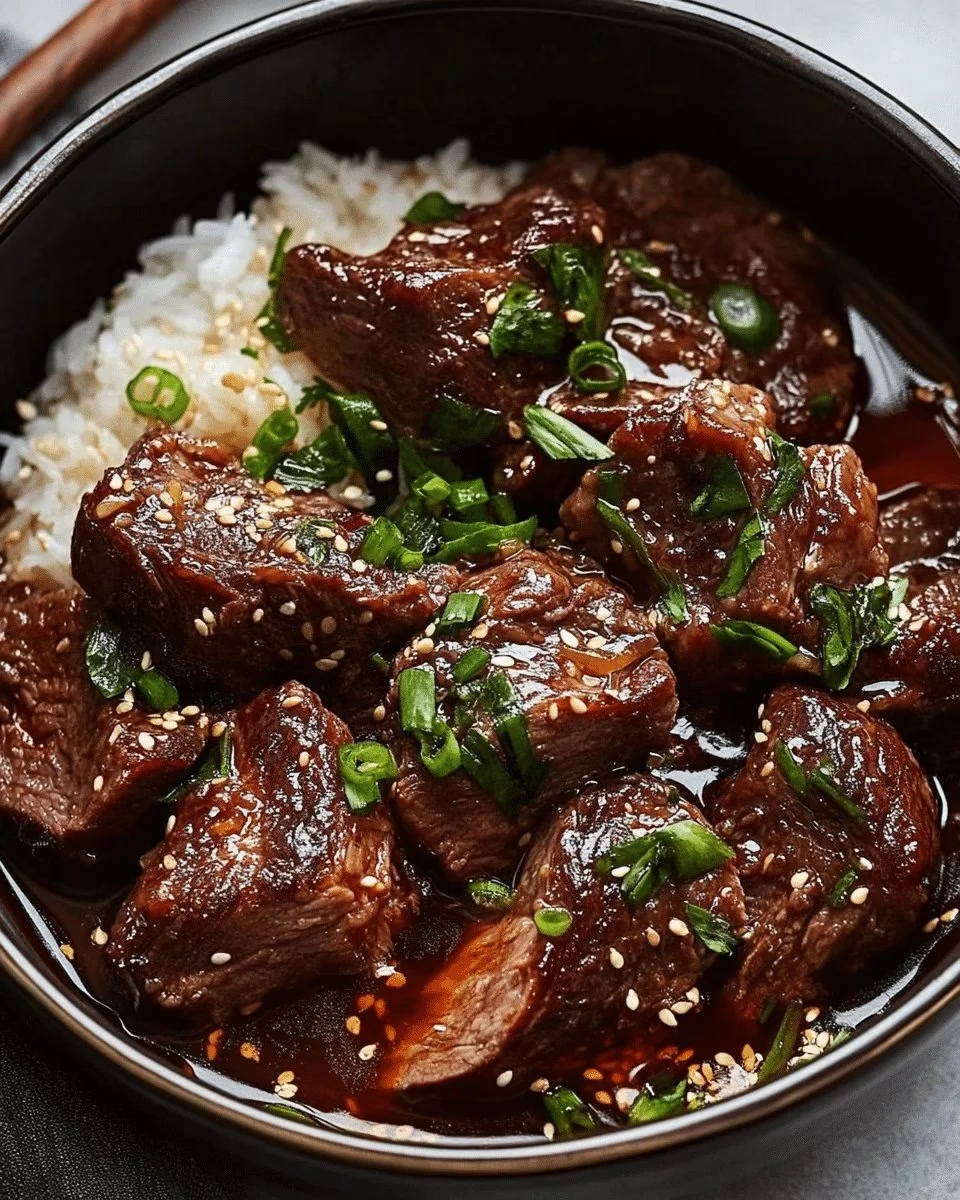
Korean-Style Gochujang Pot Roast: A Spicy, Savory Twist on Classic Comfort Food
Are you ready to turn your dinner table into a delightful fusion of flavors? Look no further! This Korean-Style Gochujang Pot Roast will have your family asking for seconds and maybe even thirds. With the comforting vibes of a classic pot roast combined with the spicy, savory kick of gochujang, this dish is sure to steal the show. Perfect for busy evenings or impressing guests, it’s a one-pot wonder that beautifully marries familiarity with a touch of exotic flair.
Why You’ll Love This Korean-Style Gochujang Pot Roast
Let’s be real—who doesn’t love a good pot roast? It’s that classic dish that feels like a warm hug after a long day. But when you add Korean gochujang, it transforms into something utterly crave-worthy! This recipe is simple enough that even the most novice cooker can tackle it without breaking a sweat. Imagine coming home to the rich aromas wafting through your kitchen, and as you dive into that tender meat, you realize you’ve found a new family favorite!
Ingredients
Before we dive into the how-tos, here’s what you need for this mouthwatering feast:
- 3-4 pounds of beef chuck roast
- 1 onion, sliced
- 3 cloves of garlic, minced
- 1 cup of carrots, chopped (get those veggies in!)
- 2 cups of beef broth
- ¼ cup of soy sauce
- 3 tablespoons of gochujang (the star of the show!)
- 2 tablespoons of brown sugar
- 1 tablespoon of sesame oil
- Salt and pepper to taste
- Green onions and sesame seeds for garnish (because a pop of color makes everything better!)
The Steps to Spicy, Savory Glory
Sear the Meat: Start by seasoning your beef with salt and pepper—don’t be shy, give it a good rub! Heat a large pot or Dutch oven over medium-high heat and add a splash of oil. Once it’s hot, place that glorious chunk of meat in there and let it sear for about 3-4 minutes on each side until it’s caramelized and bronzed. (Warning: Your kitchen will start to smell like a culinary dream!)
Sauté the Aromatics: Remove the beef and set it aside. In the same pot, toss in the sliced onion and minced garlic, sautéing them for a few minutes until fragrant. This step is like the prelude to a beautiful symphony—just wait until everything comes together!
Add the Veggies and Liquid: Layer in the carrots, then pour in the beef broth and soy sauce, scraping up any tasty bits from the bottom of the pot. Stir in that gochujang, brown sugar, and sesame oil until well combined. Ah, can you feel the excitement building?
Return the Roast: Nestle the seared chuck roast back into this delicious concoction, making sure it’s mostly submerged. Cover the pot and let it cook on low for about 3-4 hours, or until the meat is fork-tender.
Finish and Serve: Once your roast is tender, remove it from the pot and let it rest for a few minutes. Meanwhile, turn the heat up and let the remaining sauce bubble for a few minutes to thicken. Slice that beautiful roast, drizzle it with the sauce, and garnish with green onions and sesame seeds. Serve it over rice or with crusty bread to soak up every last drop!
Cooking Tips
- Customize It: Feel free to throw in other veggies like potatoes or bell peppers—this dish is flexible! Just remember the more, the merrier (and tastier!).
- Make It Ahead: This pot roast keeps getting better with time—so feel free to make it a day in advance. Just store the leftovers in the fridge, and you have a ready-made dinner for later.
Oh, and don’t worry if your sauce looks a little lumpy—it’s all part of the magic!
Personal Anecdotes
I can’t tell you how many times this dish saved me on those chaotic weeknights when the kids are bickering, and I’m trying to juggle dinner prep. The spicy and savory flavors of this pot roast have become a family staple, especially after my sister Patricia came over with her insatiable appetite. Let’s just say, if it pleases her discerning palate, it’s a winner!
FAQs
Can I substitute gochujang in this recipe?
You could use another chili paste, but the flavor might not be the same. Gochujang is unique—it’s sweet, spicy, and fermented, giving it that delightful depth you can’t replicate easily.
How can I store leftovers?
Store any leftovers in an airtight container in the fridge for up to 3 days. You can reheat it gently on the stove or in the microwave, but just be careful not to overcook the beef again!
What should I serve with this pot roast?
Besides the obvious rice or bread, consider a simple side salad or a lovely steamed vegetable medley to round out your meal!
So there you have it—a delightful Korean-Style Gochujang Pot Roast that’s perfect for weeknight dinners and special occasions alike. Mix up your routine, surprise your taste buds, and share this recipe with your loved ones! Try out this hearty comfort food today, and I promise you won’t be disappointed. Let’s turn those mundane days into flavorful adventures, one bite at a time!
Meta Description: Korean-Style Gochujang Pot Roast is the perfect recipe for busy nights! Quick, easy, and delicious, this dish will become your go-to meal.
For more culinary inspiration and recipes that blend comfort with creativity, explore my complete recipe collection. Happy cooking!
Korean-Style Gochujang Pot Roast
Ingredients
Method
- Season the beef with salt and pepper, and rub it well. Heat a large pot or Dutch oven over medium-high heat, adding a splash of oil. Sear the beef for about 3-4 minutes on each side until caramelized.
- Remove the beef and set aside. In the same pot, add the sliced onion and minced garlic; sauté until fragrant.
- Layer in the chopped carrots, followed by the beef broth and soy sauce. Scrape the bottom of the pot to incorporate any bits, then stir in the gochujang, brown sugar, and sesame oil until well combined.
- Return the seared chuck roast back into the pot, ensuring it’s mostly submerged. Cover and cook on low for 3-4 hours, or until the meat is fork-tender.
- Once tender, remove the roast from the pot and let it rest. Increase heat to let the remaining sauce thicken for a few minutes. Slice the roast, drizzle with sauce, and garnish with green onions and sesame seeds. Serve over rice or with bread.