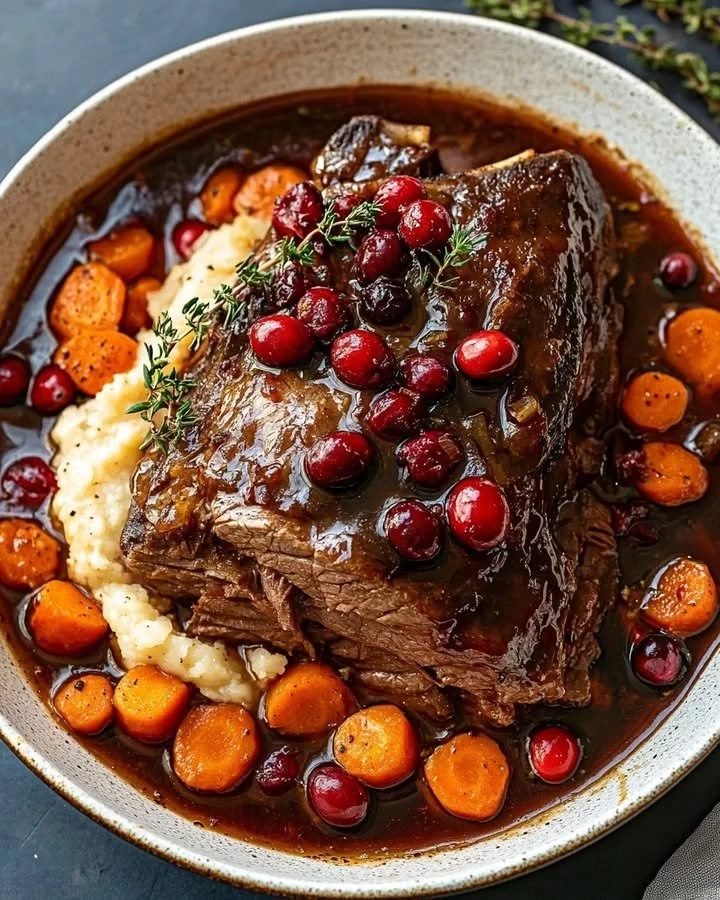
(Primary Keyword): Slow-Braised Beef Roast with Cranberry Balsamic Glaze
Warm, comforting, and just a touch fancy — that’s the vibe for this (Primary Keyword). If you’re juggling work, family, and the mystery of “What’s for dinner?” five minutes before hangry o’clock, this slow-braised beef roast with cranberry balsamic glaze is your new best friend. It’s the kind of dish that smells like home, looks like you planned a dinner party, and takes only a little hands-on time. (Yes, multitasking counts as cooking talent.)
If you love an easy, crowd-pleasing roast but sometimes need a break from the same-old-same-old, this recipe fits the bill. While the roast does its thing low and slow, you can check homework, take a quick call, or finally sit down with a cup of tea. Want another fuss-free family favorite for weeknights? Try my garlic-herb roasted chicken for a no-fuss complete meal: Garlic Herb Roasted Chicken with Vegetables.
Why You’ll Love This (Primary Keyword)
- Deep, cozy flavor with minimal hands-on time.
- A cranberry balsamic glaze that’s tangy, sweet, and grown-up enough to impress the in-laws.
- Leftovers that turn into sandwiches, tacos, or a spectacular breakfast hash.
- This is comfort food that doesn’t require babysitting the stove.
About the recipe and who made it
Hi, I’m Anna. My sister Patricia and I love turning everyday ingredients into meals that make people smile. This slow-braised roast came from one of those “let’s make something cozy” afternoons, and it quickly became a go-to for family dinners and holiday gatherings. If you try it and your kids ask for seconds (or sneak slices before dinner), consider that a win.
Ingredients
(serves 6–8; adjust as needed)
For the roast
- 3–4 lb beef chuck roast (boneless)
- Salt and freshly ground black pepper
- 2 tbsp olive oil
- 1 large onion, thickly sliced
- 3 cloves garlic, smashed
- 3 carrots, cut into large chunks
- 2 stalks celery, chopped
- 1 cup beef broth (or low-sodium stock)
- 1 cup dry red wine (optional — use extra broth if you prefer)
- 2 sprigs fresh rosemary
- 2 sprigs fresh thyme
- 2 bay leaves
For the cranberry balsamic glaze
- 1 cup fresh or frozen cranberries
- 1/2 cup brown sugar (or maple syrup)
- 1/2 cup balsamic vinegar
- 1/4 cup orange juice
- 1 tbsp Dijon mustard
- Salt and pepper to taste
- 1 tbsp cold butter (optional, for shine)
Optional finishing
- Fresh parsley, chopped
- Sliced roasted mushrooms or sautéed greens
Step-by-step Instructions (easy, practical, and friendly)
Prep the roast and veggies:
Pat the beef roast dry with paper towels, then generously season all over with salt and pepper. This simple step is key for flavor and a nice crust. Heat olive oil in a heavy ovenproof pot (like a Dutch oven) over medium-high heat.Sear for color and flavor:
When the oil shimmers, sear the roast 3–4 minutes per side until deep golden-brown. Don’t worry if it looks slightly burnt on the edges — that’s where the flavor lives. Transfer the roast to a plate.Build the braising base:
In the same pot, add the onion, carrots, celery, and garlic. Sauté for 4–5 minutes until things look slightly softened and fragrant. Scrape up any browned bits from the bottom — those little brown bits are pure deliciousness.Deglaze and layer:
Pour in the red wine (if using) and scrape the pot until it’s mostly clear of stuck-on bits. Let the wine reduce for 2 minutes. Add the beef broth, then return the roast to the pot. Tuck rosemary, thyme, and bay leaves around the meat. The liquid should come up about one-third to halfway up the roast; add more broth if needed.Slow-braise:
Cover the pot and transfer it to a 300°F (150°C) oven. Braise for 3–3½ hours, or until the meat is fork-tender and easily pulls apart. For a slightly faster option, simmer on the stovetop over low heat for 2½–3 hours, but the oven is my go-to for even, reliable results.Make the cranberry balsamic glaze:
While the roast rests (cover it loosely with foil for 10–15 minutes), combine cranberries, brown sugar (or maple syrup), balsamic vinegar, orange juice, and Dijon mustard in a small saucepan. Simmer over medium-low heat, stirring occasionally, until the cranberries burst and the sauce thickens to a glaze-like consistency (about 10–12 minutes). If you prefer a smoother glaze, give it a quick whirl in a blender or use an immersion blender. Stir in a tablespoon of cold butter for a glossy finish, and season with salt and pepper.Finish and serve:
Slice or pull the roast, spoon over the cranberry balsamic glaze, and garnish with chopped parsley. Serve with mashed potatoes, roasted carrots, or a simple green salad. If you want a speedy roasted veggie side, my grilled chicken recipe pairs beautifully: Grilled Chicken with Roasted Vegetables & Potatoes.
Cooking tips, tricks, and a little kitchen humor
- Don’t rush the sear: a good crust equals big flavor. Think of it as caramelization therapy.
- No red wine? No problem. Use extra beef broth and a splash of red wine vinegar to mimic acidity.
- If your glaze looks too tart, a teaspoon of maple syrup or honey will smooth it out. If it’s overly sweet, a squeeze of lemon brightens things up.
- Leftovers are a dream: shred the cooled roast, toss it with more glaze, and make a sandwich — or add to pasta for a quick weeknight meal.
- If your sauce separates a bit, whisk in a little cold butter or a touch of cornstarch slurry to bring it back together. Don’t worry if it looks a little rough at first — a good stir and a confident smile fixes most things.
Personal anecdote
This roast became my holiday secret many years ago. I remember the first time I made it for my parents: I was nervous, my kitchen smelled amazing, and my sister Patricia teased me about wearing an apron like it was a cape. My dad went back for seconds, and my mom whispered, “You need to make this more.” It’s a little recipe that carries big, cozy memories — perfect for those nights when you want to impress without the stress.
FAQ (quick answers with helpful tips)
Q: Can I use a different cut of beef?
A: Yes. Chuck roast is ideal for slow braising because it becomes wonderfully tender, but brisket or a rump roast will also work. Just adjust cooking time until fork-tender.
Q: Are frozen cranberries okay for the glaze?
A: Absolutely. Frozen cranberries work great and often save a trip to the store. No need to thaw before cooking.
Q: Can I make this in a slow cooker?
A: Yes. Brown the roast first for flavor, then transfer to a slow cooker with veggies and liquid. Cook on low for 8–9 hours. Make the glaze on the stovetop toward the end.
Q: How should I store leftovers?
A: Refrigerate in an airtight container for up to 4 days. Reheat gently on the stovetop with a splash of broth or in the oven covered with foil. The glaze keeps well and actually tastes deeper the next day.
Q: What if I’m out of Dijon mustard?
A: Use yellow mustard or skip it; the glaze will still be delicious. Dijon adds a subtle tang that I personally love, but it’s not a deal-breaker.
Serving suggestions and pairings
- Classic mashed potatoes and roasted Brussels sprouts make a cozy plate.
- For a lighter meal, serve slices over mixed baby greens with a drizzle of any extra glaze.
- Try with egg noodles and sautéed mushrooms for a hearty, European-style dinner.
- Wine pairing: a medium-bodied red like Merlot or a lighter Cabernet Sauvignon complements the roast and cranberry glaze nicely. If you prefer non-alcoholic, a sparkling apple cider is a festive pairing.
A few substitutions and swaps
- Sweetener swap: use maple syrup, honey, or coconut sugar in the glaze for different flavor notes.
- Vinegar alternatives: red wine vinegar can substitute for balsamic in a pinch, but balsamic gives that richer, glossy finish.
- Herb variations: if you don’t have rosemary or thyme, a bay leaf and some oregano will still deliver depth of flavor.
Make-ahead and time-saving tips
- You can braise the roast the day before, refrigerate it, then reheat gently and make the glaze right before serving. Flavors meld beautifully overnight.
- If you’re short on time, cut the roast into two smaller pieces to reduce braising time, though the texture will be slightly different.
- Use pre-chopped vegetables from the grocery store to shave off prep time on busy nights.
Final notes from me (Anna)
If this sounds like your kind of meal — warm, homey, and a tiny bit fancy — then I hope you’ll give this (Primary Keyword) a try. It’s forgiving, flexible, and perfect for the kind of life where you juggle a million things but still want a good dinner on the table. Patricia says this roast “makes the house smell like a hug,” and I can’t complain about that endorsement.
Conclusion
Thanks for cooking along. If you want to see another cranberry-balsamic twist or compare variations, check out Closet Cooking’s take on this flavor combo: Cranberry Balsamic Roast Beef – Closet Cooking. For another write-up and slightly different method, take a look at Olivia’s version here: Cranberry Balsamic Roast Beef – Olivia’s Cuisine. These reads are great if you enjoy tweaking a recipe to make it your own.
Meta description (150 characters)
(Primary Keyword) is the perfect slow-braised beef roast for busy weeknights—tender, tangy cranberry balsamic glaze. Family-approved. Quick & easy! 🙂
Slow-Braised Beef Roast with Cranberry Balsamic Glaze
Ingredients
Method
- Pat the beef roast dry with paper towels, then generously season all over with salt and pepper.
- Heat olive oil in a heavy ovenproof pot (like a Dutch oven) over medium-high heat.
- When the oil shimmers, sear the roast 3–4 minutes per side until deep golden-brown.
- Transfer the roast to a plate.
- In the same pot, add the onion, carrots, celery, and garlic. Sauté for 4–5 minutes until slightly softened.
- Scrape up any browned bits from the bottom.
- Pour in the red wine (if using) and scrape the pot to clear stuck bits. Let the wine reduce for 2 minutes.
- Add the beef broth, then return the roast to the pot, tucking rosemary, thyme, and bay leaves around the meat.
- Cover the pot and transfer it to a 300°F (150°C) oven. Braise for 3–3½ hours, or until the meat is fork-tender.
- While the roast rests, combine cranberries, brown sugar (or maple syrup), balsamic vinegar, orange juice, and Dijon mustard in a saucepan.
- Simmer over medium-low heat, stirring occasionally, until the cranberries burst and the sauce thickens (about 10–12 minutes).
- Stir in cold butter for shine, and season with salt and pepper.
- Slice or pull the roast, spoon over the cranberry balsamic glaze, and garnish with parsley.
- Serve with mashed potatoes, roasted carrots, or a simple green salad.